We combine field research, controlled experiments, laboratory analysis, statistics and modelling to understand how environmental systems function, why they respond as they do and how this knowledge can be translated into better products, management and models.
The right method for the right question
Environmental systems are complex. Poor plant growth may result from nutrient limitations, drought, soil structure, disease or interactions between these factors. An observed effect alone does not explain its cause.
Our research therefore goes beyond treatment comparisons. We investigate not only whether something works, but also how, where and why it works—and whether the result is practically or environmentally meaningful.
Field research and monitoring
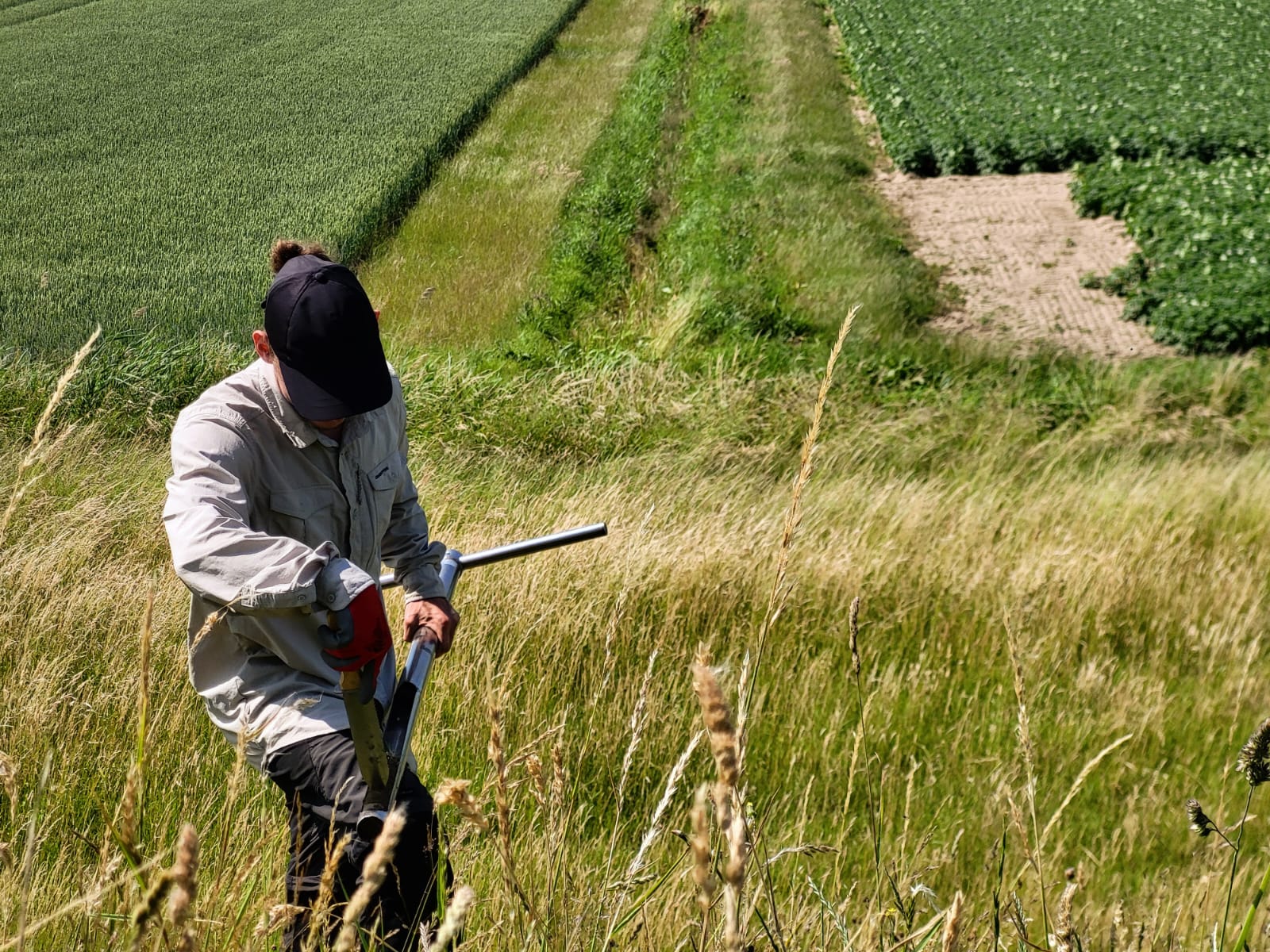
We study environmental systems under real-world conditions through field experiments, surveys and monitoring. This reveals how soil, weather, vegetation and management interact over time.
Soil sampling
Experimental field plots
Soil-moisture monitoring
Root and biomass measurements
Long-term monitoring
View projects →
Pot and greenhouse experiments
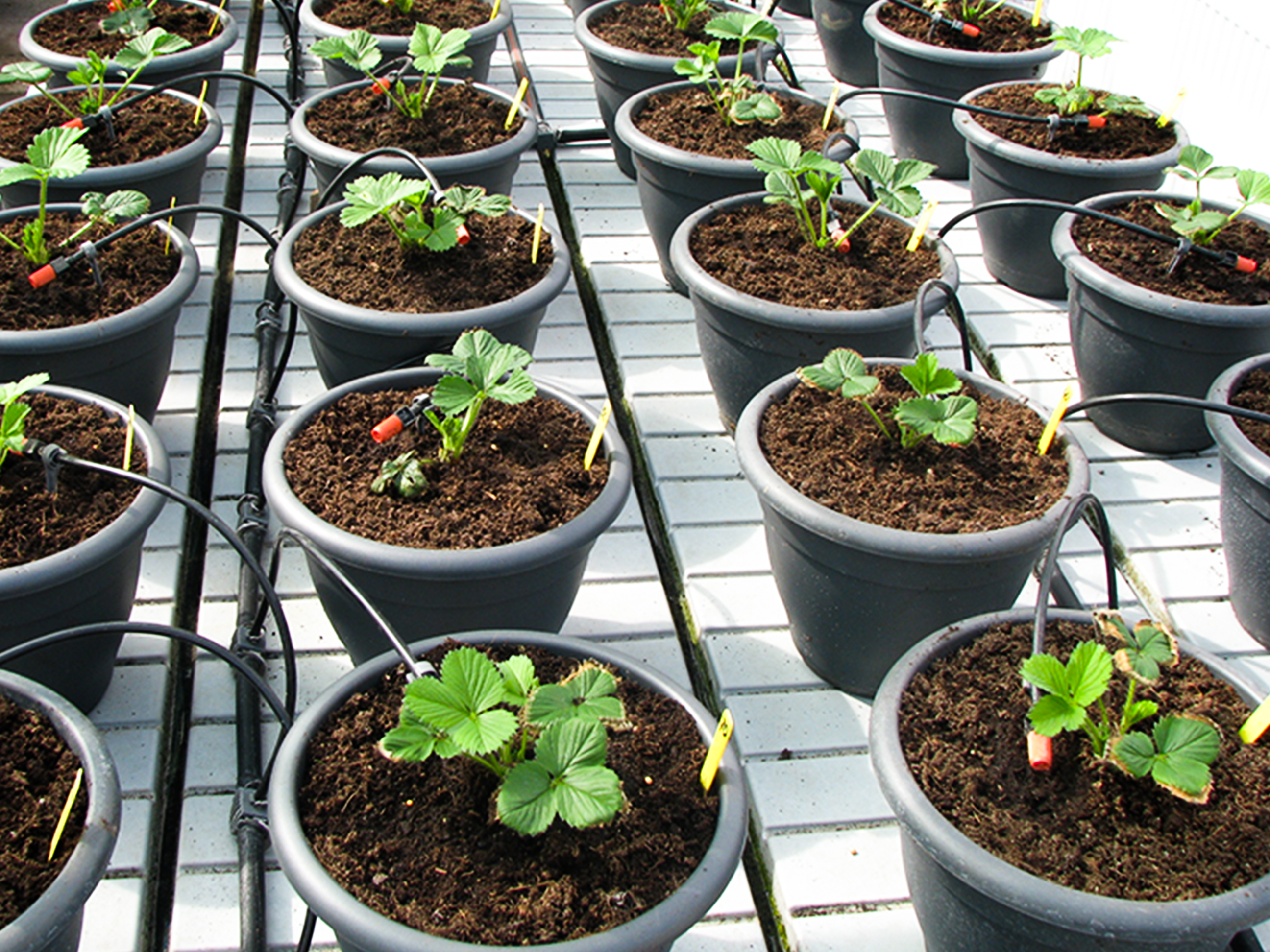
Controlled experiments allow us to isolate the effects of soil, water, nutrients and treatments while retaining realistic plant responses.
Product and amendment trials
Drought experiments
Plant health and disease studies
Nutrient uptake measurements
Root and shoot development
View projects →
Laboratory research and analysis
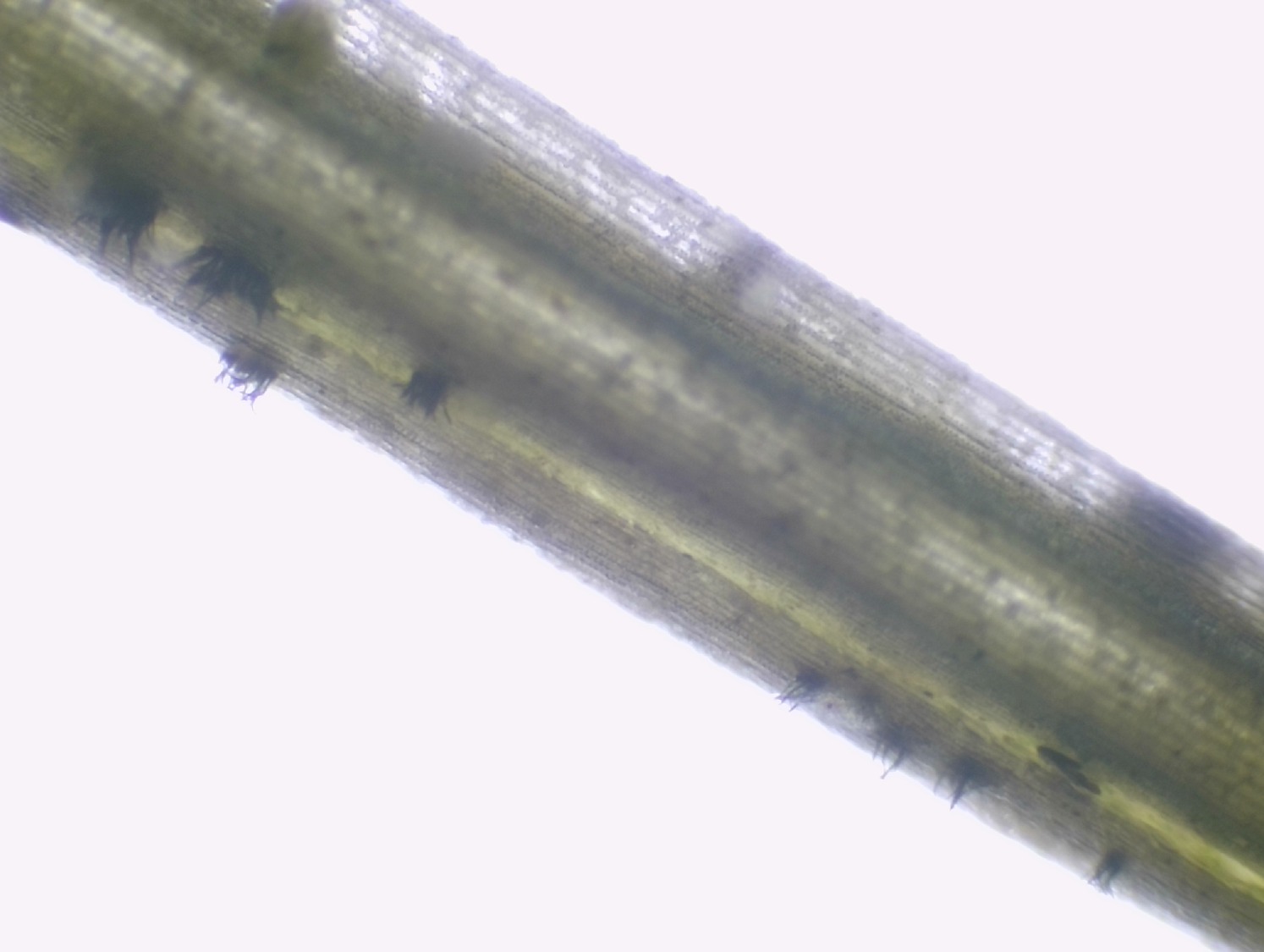
We analyse soil, water and plant material and conduct controlled studies to investigate processes that cannot be observed directly in the field.
Soil and water analysis
Nutrient availability
Microscopy
Mineralisation experiments
Plant tissue analysis
View projects →
Modelling and synthesis
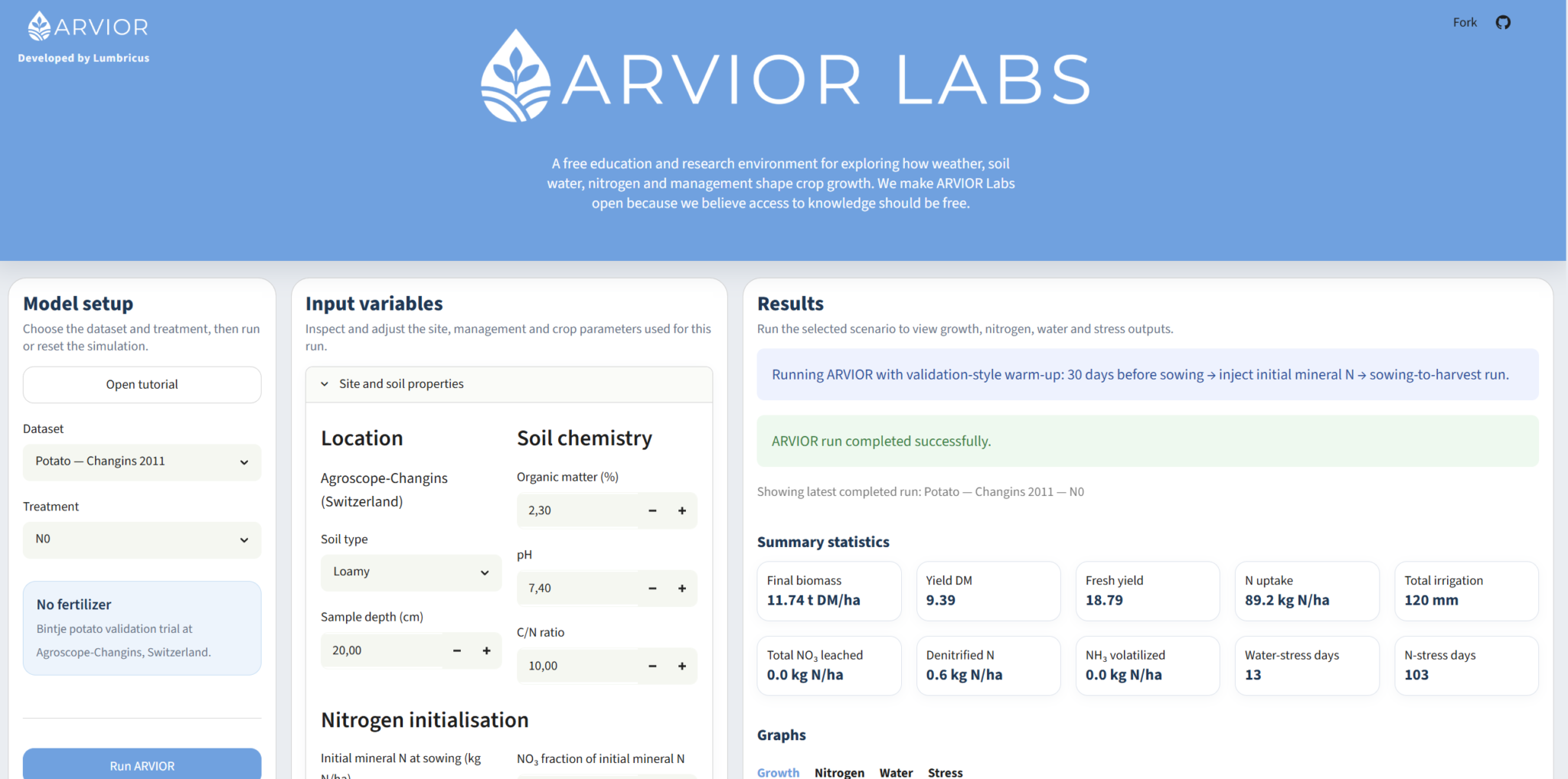
Models bring measurements and process knowledge together. They help us test our understanding, explore scenarios and translate research into practical decision support.