We study how soil, water, nutrients and vegetation interact—and translate that knowledge into better management, stronger landscapes and more resilient systems.
The systems we study
Environmental challenges rarely belong to a single discipline. Soil conditions influence water availability. Water controls the movement of nutrients. Nutrients shape plant growth, while vegetation changes the soil and the wider environment. To understand one part of the system, we must understand how it relates to the others.
Soil
The foundation of plant growth, water storage, nutrient cycling and ecosystem functioning.
Water
A vital resource that controls plant growth, nutrient transport and the response of landscapes to drought and rainfall.
Nutrients
The elements that sustain plant growth, but can also become a source of waste and environmental loss when they are poorly understood or managed.
Plant
The living connection between soil and atmosphere, influencing biodiversity, water use, nutrient cycling and the resilience of landscapes.
From understanding to action
What we do
Research
We investigate environmental processes through field experiments, laboratory studies, statistical analysis and modelling.
We use scientific knowledge to assess environmental systems, identify the processes behind practical problems and develop management strategies that fit the conditions of a specific site.
We investigate how soil, roots, vegetation and management influence erosion resistance, drought resilience, biodiversity and the long-term strength of dikes.
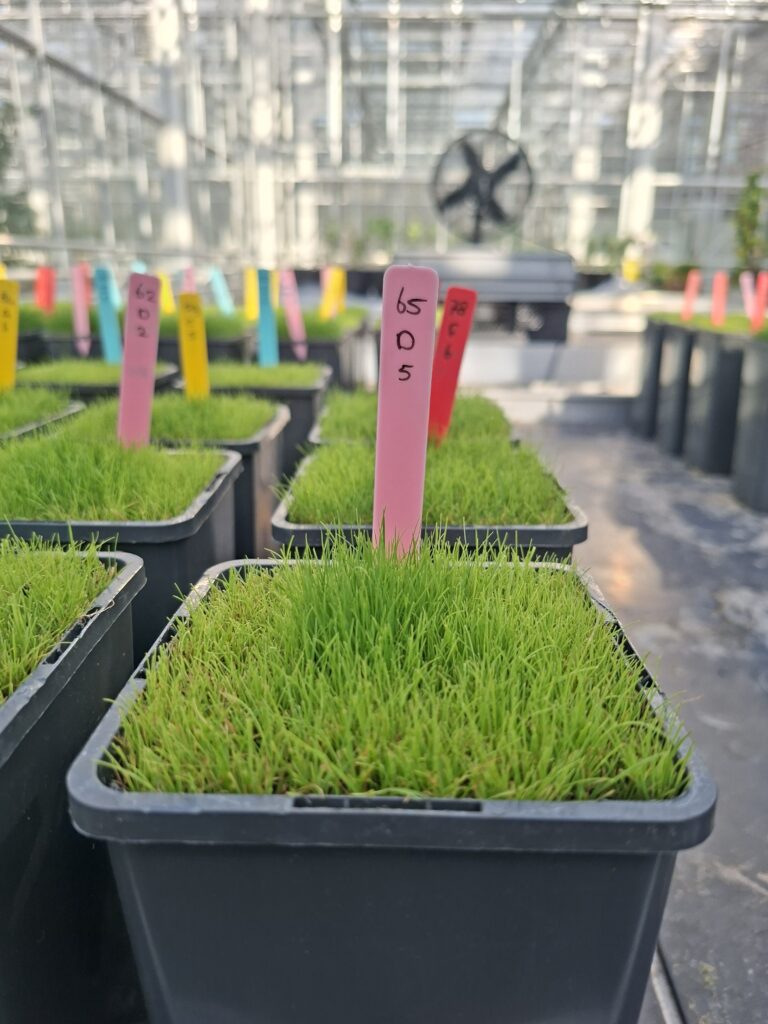
We support the sustainable management of sports turf, public green space and other intensively managed vegetation through soil diagnostics, plant research and targeted management.